
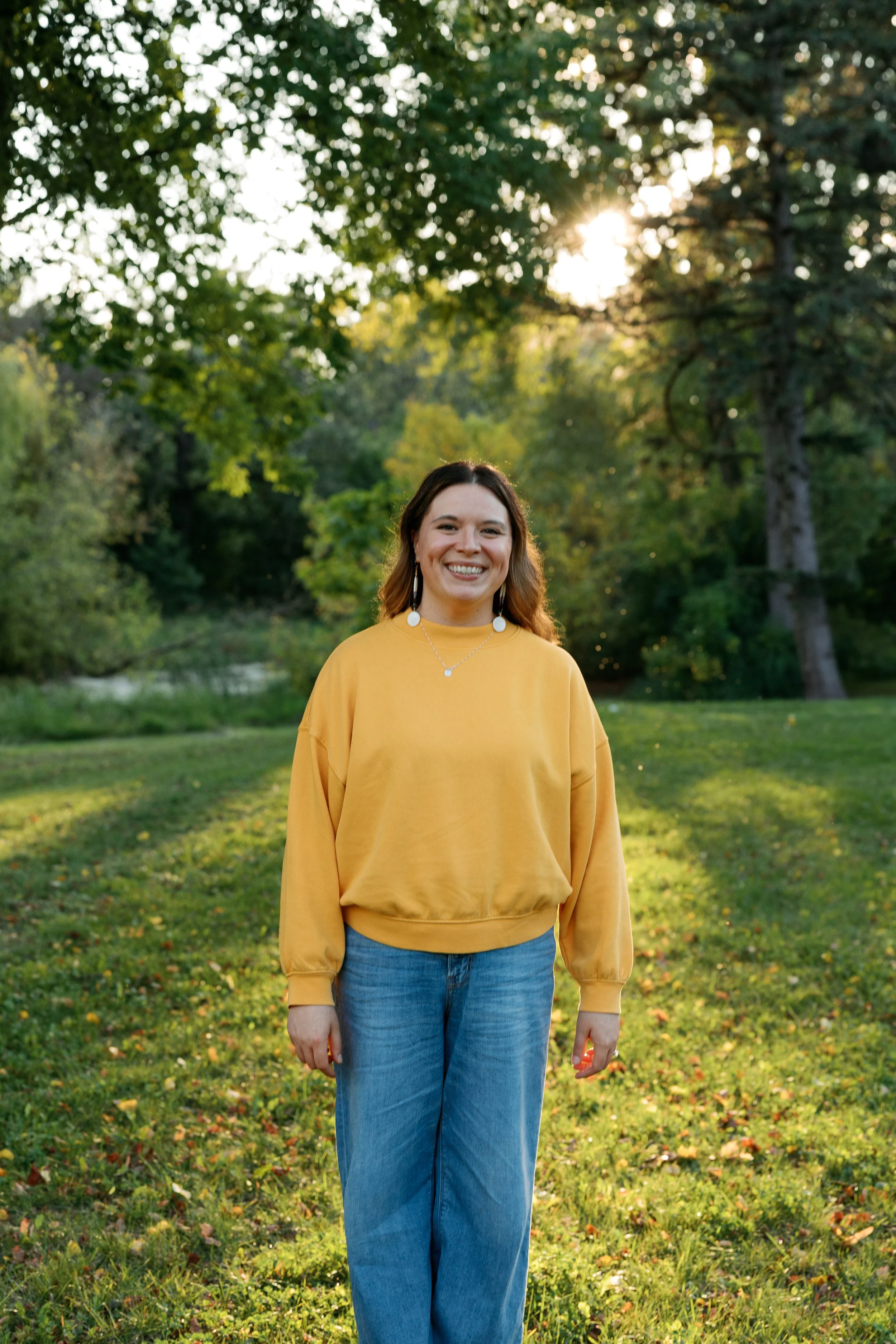
About Me
Learn more about my path, my approach, and the work I carry forward.
My Path
I come to this work as a lineal descendant of the Tuscarora Nation, shaped by stories, teachings, and relations that root me in care and responsibility. My path has moved through academic and community spaces, guided by mentors, kin, and clients who have taught me that healing and knowledge are lived in relation. Over time, I chose to carry this work as an independent scholar and in alignment with the values that guide me: accountability, reciprocity, and Indigenous ways of knowing that center community and story.
My Approach
My practice is relational and culturally grounded. In therapy, I draw from evidence-based methods, narrative work, and Indigenous ways of knowing that honor the connection between story, identity, and well-being. In my scholarship, I center Indigenous knowledge, collective memory, and the ways research itself can serve community healing rather than academic institutions. My work seeks to weave care, story, and knowledge in ways that respect both the personal and the collective.
Now
Today, I carry this work forward in two closely held practices: as a licensed psychologist in Minnesota and New York, and as an independent scholar. Through Fish Psychotherapy I offer therapy, consultation, and research grounded in relation, cultural resonance, and Indigenous frameworks. I continue to write, collaborate, and invite others into forms of inquiry that center belonging, return, and connection. The path is non-traditional by design and deeply aligned with how I believe healing, story, and scholarship intertwine.
Along the Way
I was born and raised on the Tuscarora Nation in Western New York. I am a lineal descendant; my father is an enrolled citizen (Beaver Clan), and my mother is white (Irish, Scottish, and French Canadian). I grew up on land where generations of my family have lived, left, and returned.
My great-great-grandmother Clara Miller and great-grandmother Lillian Henry attended the Carlisle Indian Industrial School — the flagship Indian boarding school whose founder coined the phrase, “Kill the Indian, Save the man.” My ancestors came home to live on the same land I would be raised on after their time at Carlisle. This work — all of it — is for them.
My family has strong working-class roots that shaped how I understand labor, humility, community, and care. My father owns and operates Fish’s Automotive on our reservation, and my mother worked as a custodian until her retirement. My paternal grandfather, Lawrence Fish, was a career ironworker with Local #9, and my maternal grandfather, Frank White, drove trucks after serving in World War II. My grandmothers, Clara Fish and Dorothy White, centered their lives around caring for family. From them, I learned steadiness, humor, and the dignity of showing up. I am deeply honored to care for others while upholding those same values.
I first came to Minneapolis to pursue my PhD in Counseling Psychology at the University of Minnesota, where my research and clinical work centered Indigenous well-being, cultural strengths, and collective healing. I trained in community-based settings, completed my internship at Hennepin Healthcare, and went on to a postdoctoral fellowship in Health Services Research at the Minneapolis VA. Before founding Fish Psychotherapy & Consulting, I worked as a tenure-track assistant professor. That time affirmed how important it is for my scholarship to live in service to community, and that knowledge deepens when we make room for story and relationship beyond institutional walls.
Along the way, I met my husband, Graham, a Minneapolis pipefitter with Local #539. We are proud parents of an amazingly silly son. Being a mother is the best season of my life thus far. My days are filled with adventures with my son, rooted in love and curiosity. In quieter moments, I love to bead, sew, and read (if you know me, I have likely referred you a book or two!). Above all, I do this work with my ancestors in mind, remaining accountable to the generations who come after.
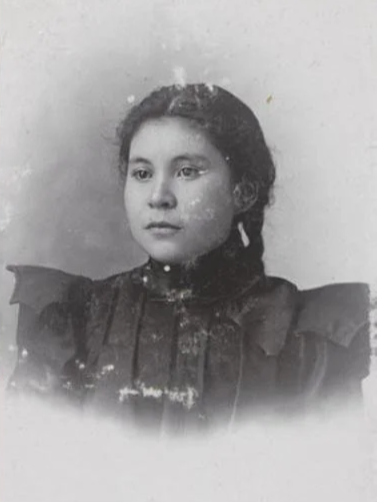
Great-Great Grandma Clara Miller at Carlisle
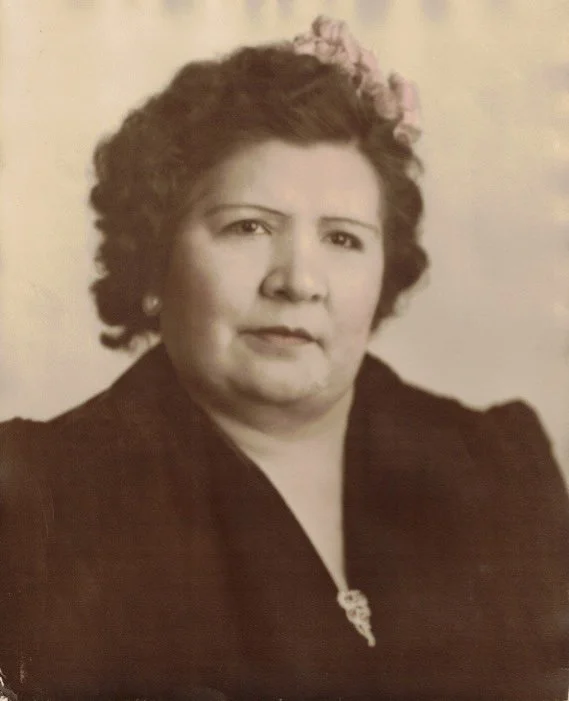
Great-Grandma Lillian
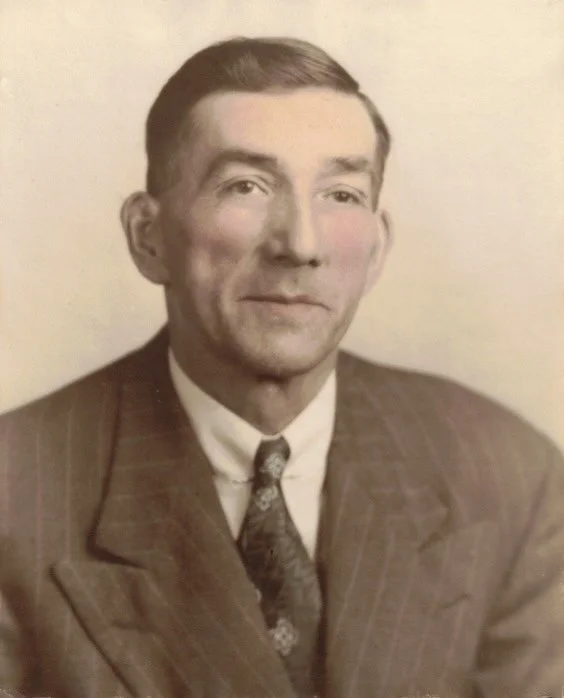
Great-Grandpa Fred
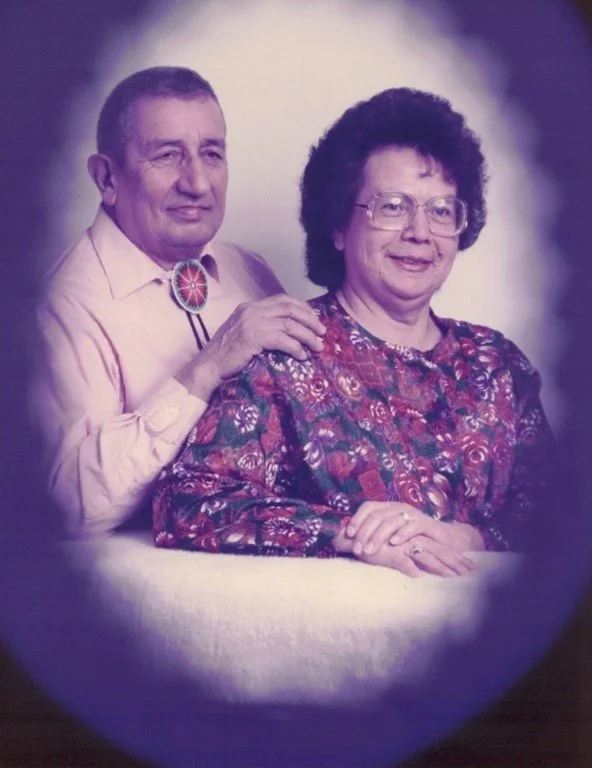
Grandpa & Grandma Fish (1993)
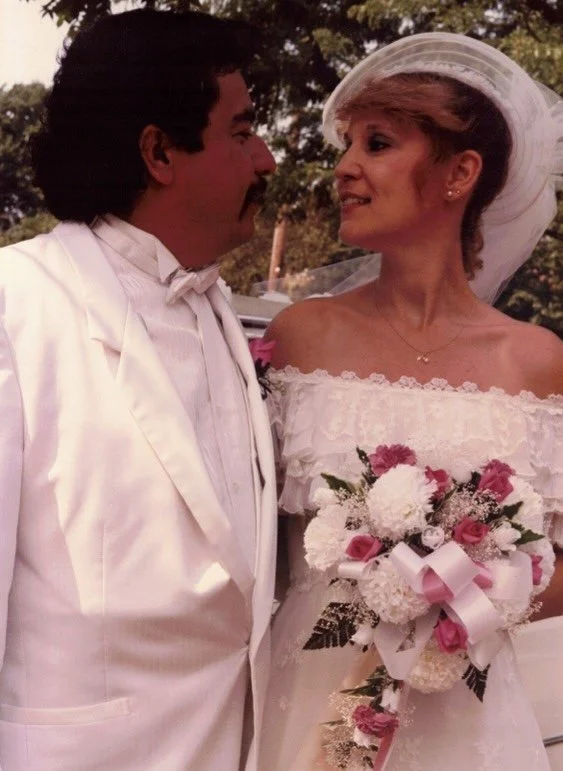
Dad & Mom (1989)
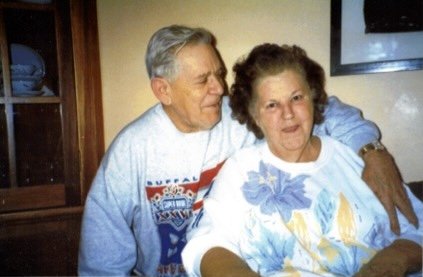
Grandpa and Grandma White
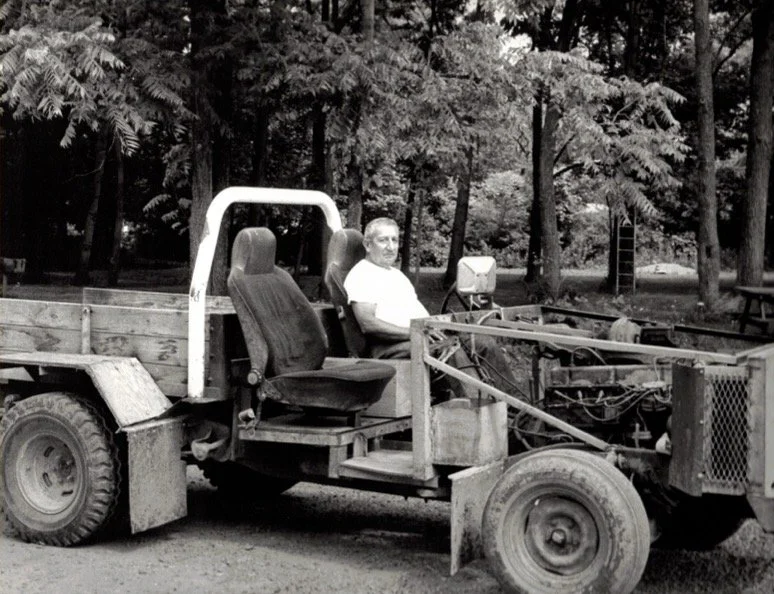
Grandpa Fish
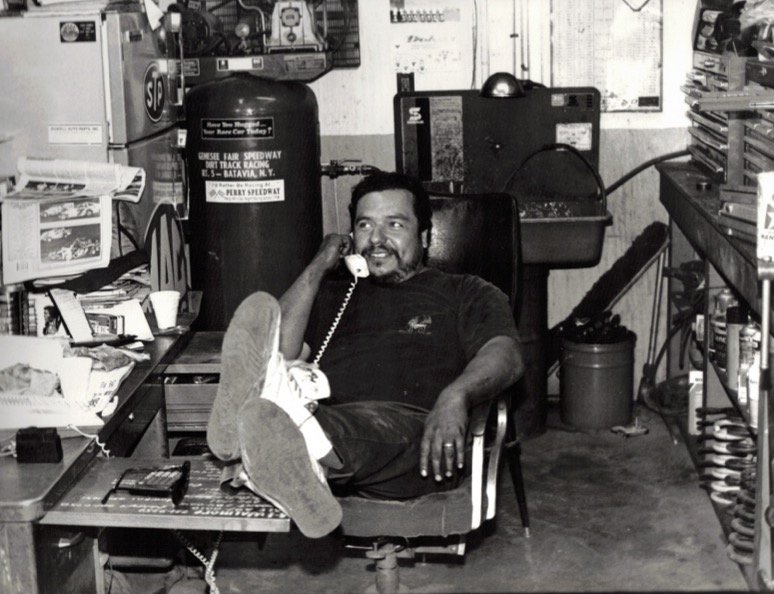
Dad at Fish's Auto (early '90s)
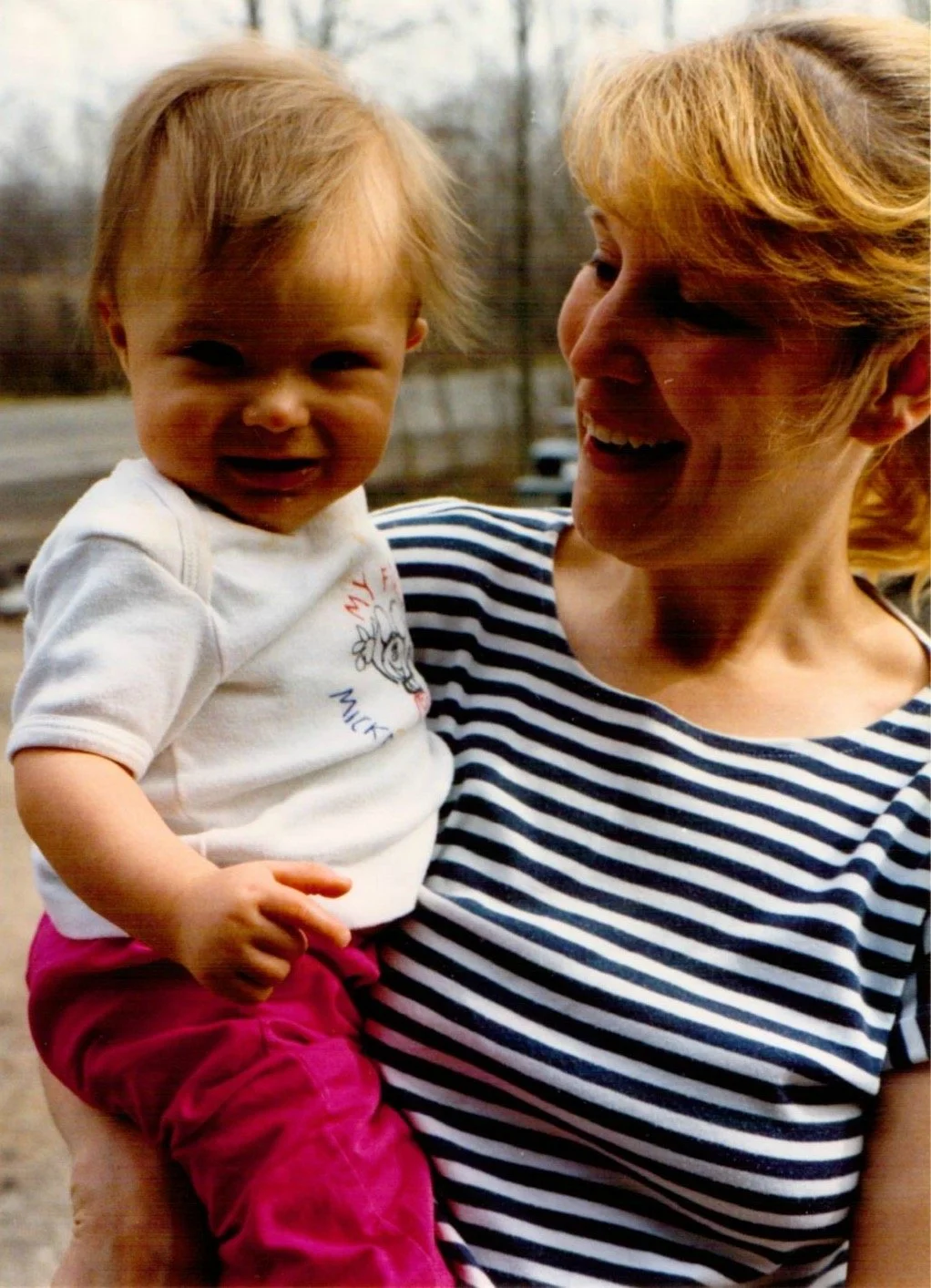
Mom & Me